
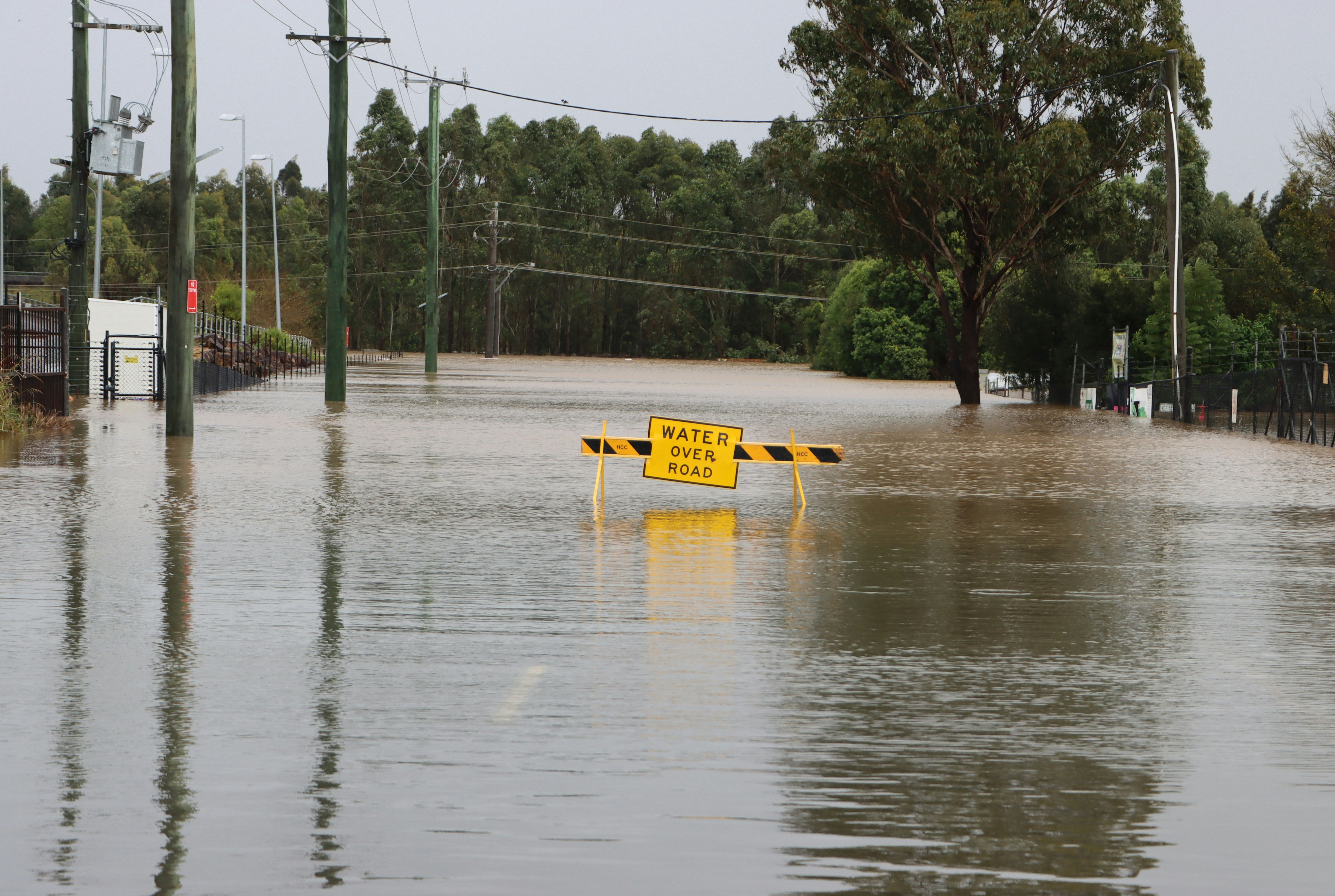
Flood planning levels, overland flow paths and the questions to ask before you fall in love with a block.
Flood affects more NSW properties than most buyers realise — and it doesn't require living beside a river. Overland flow, flash flooding and poorly drained low points can all trigger flood-related development controls.
Councils manage flood risk through flood planning levels: typically, habitable floor levels must sit at or above the 1% annual exceedance probability (AEP) flood level plus a freeboard, often 500mm. On steeply affected sites that can mean significant fill or elevated construction.
Your 10.7 certificate discloses whether flood-related controls apply. Council flood studies and floodplain risk management plans add the detail — and many councils will provide flood information for a specific lot on request, sometimes free.
Flood doesn't automatically kill a project. It shapes it: floor levels, materials below the flood line, evacuation access, and hydraulic reports all become part of the design conversation.
What you should never do is discover the constraint after exchange. A flood check is one of the five essential screens in our Before You Buy Due Diligence Kit.
Keep in mind
This guide is general education, not advice on your specific property. Planning requirements vary by council, site and proposal — confirm with your local council or book a consultation before acting.
Want eyes on your specific site?